For artists
Drag a folder onto the page and it uploads in the background. Files group into posts, and you pick the cover. The common actions — upload, find, comment, approve — are a click or two away. The point is to stay out of your way.
Open source · Self-hosted · Federation built in
Self-hosted asset management for how studios produce, review, and archive work.
One binary, one database, one storage volume — everything from first concept to final delivery, in one place.
Read-only demo — sign in with demo / demo. Nothing to install.
Drag a folder onto the page and it uploads in the background. Files group into posts, and you pick the cover. The common actions — upload, find, comment, approve — are a click or two away. The point is to stay out of your way.
Open a post to comment inline and scroll through its assets. The review canvas lets you zoom, pan, and step through frames one at a time. Assets move through workflow states, and every change is logged.
One binary, one Postgres database, one volume. No message bus, no microservices, no proprietary export format — back up a database dump and a directory. Configuration is environment variables, and upgrading is an image swap.
Concept, modeling, rigging, animation, cinematics, finals — in one self-hosted app, instead of spreading the work across chat, shared drives, and file-transfer links.
The same model fits any team that catalogs things with media attached — museums, libraries, galleries, archives. Tuned for production work, but general underneath.
One binary, one Postgres database, one storage volume — local disk or any S3 bucket. No message queue or microservices in the core. Heavier features — image similarity, transcription, AI editing — run as separate containers you add only if you want them.
The viewer is the app. Everything else is a tool inside it.
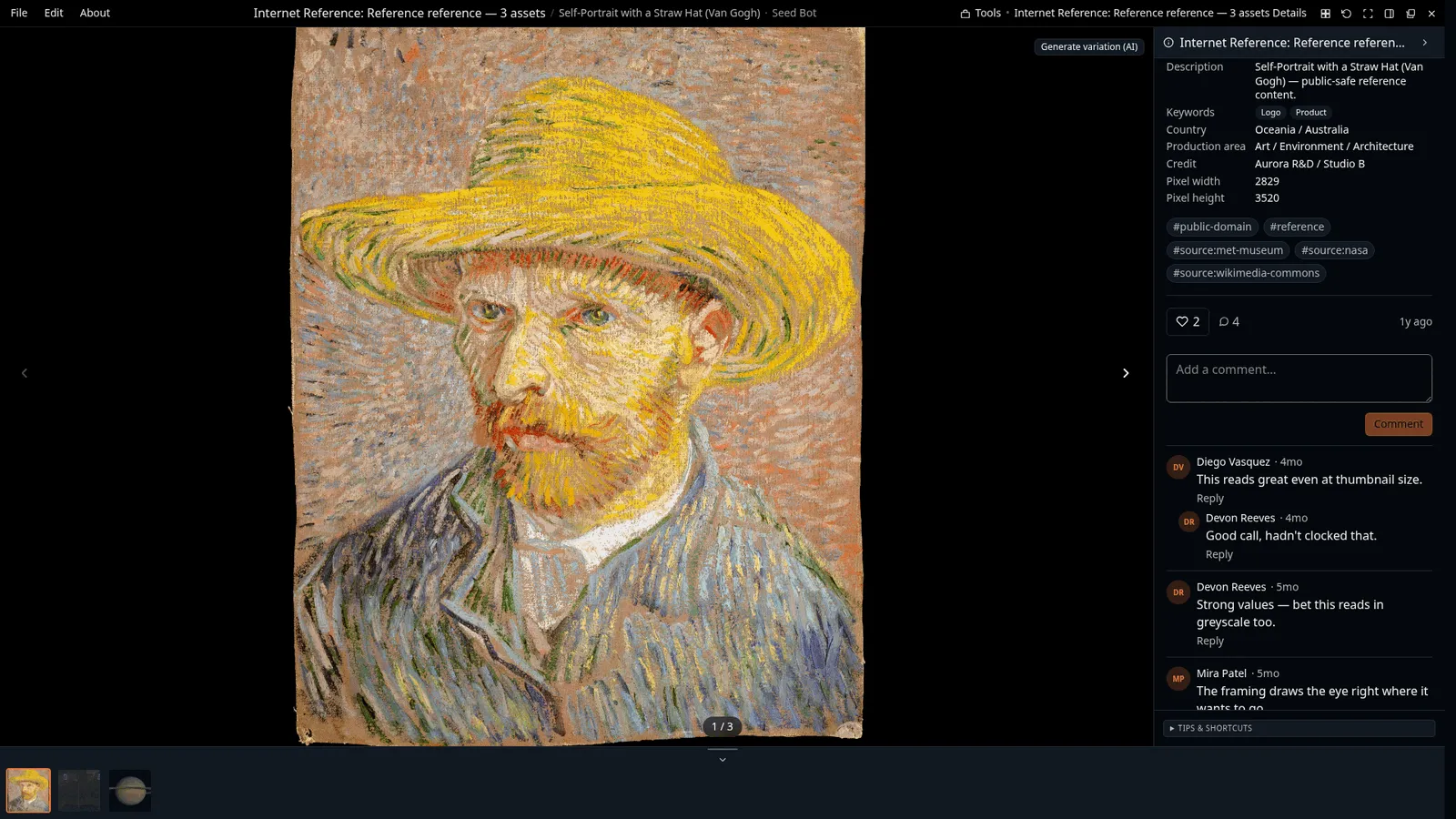
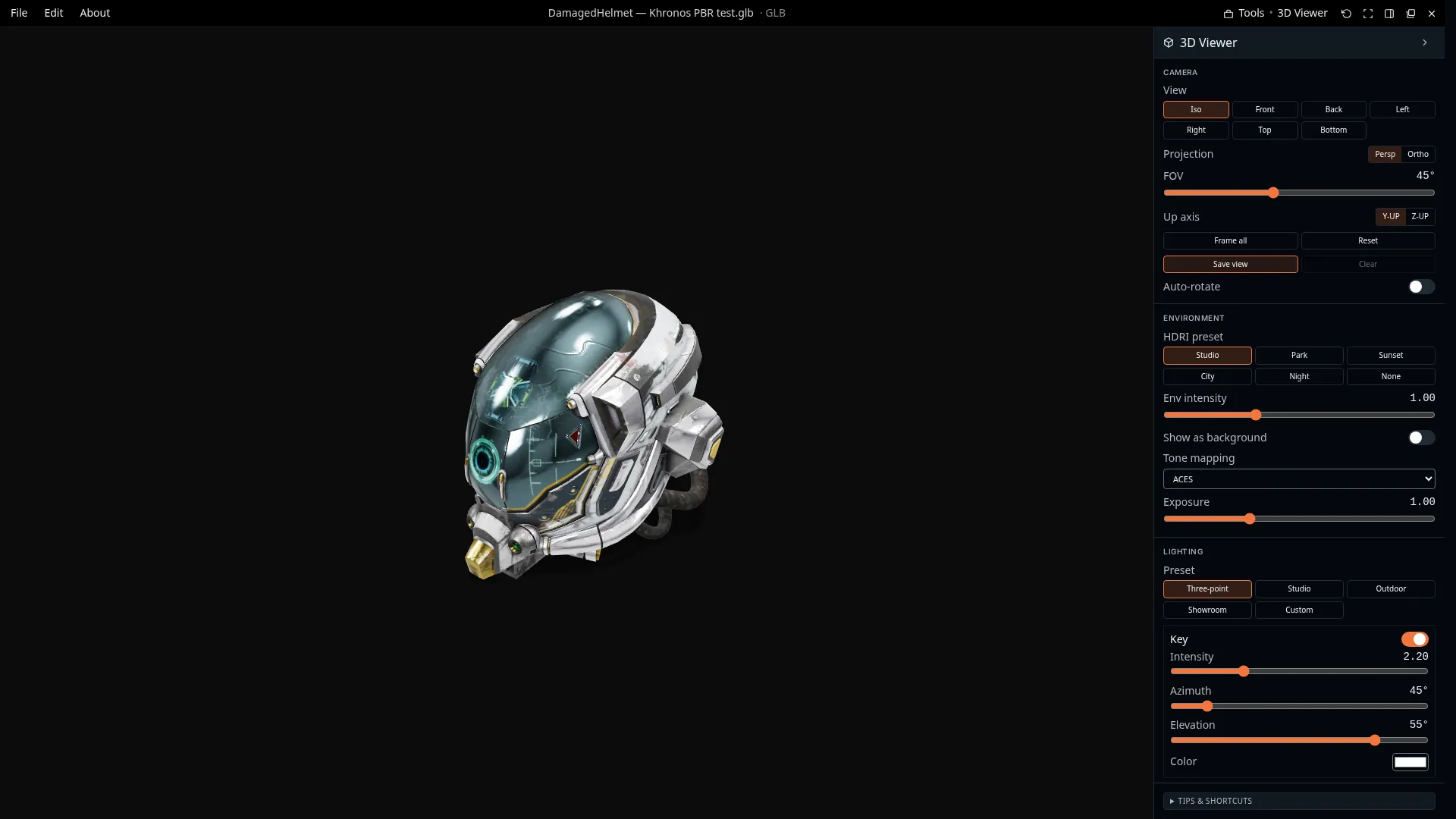
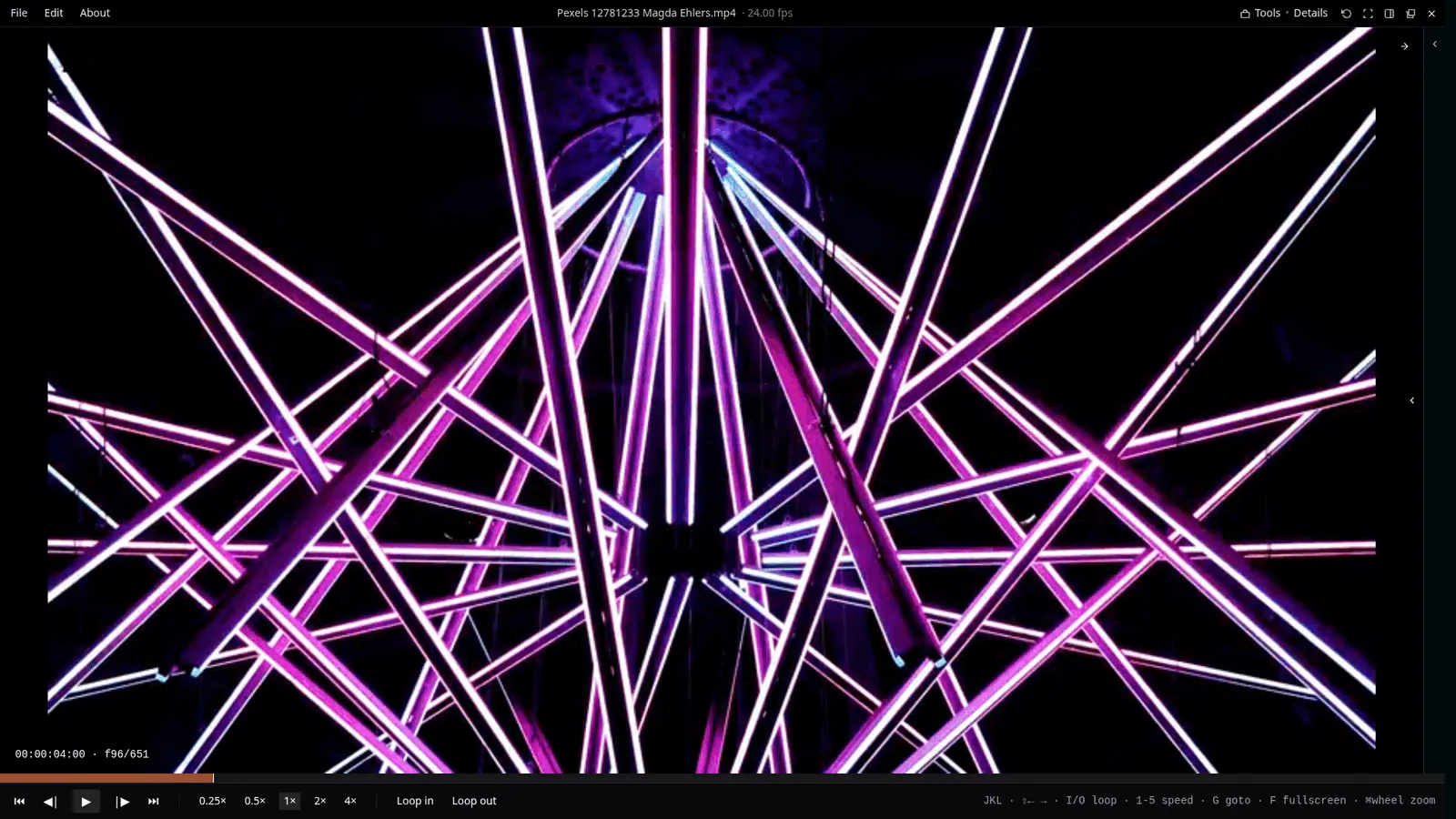
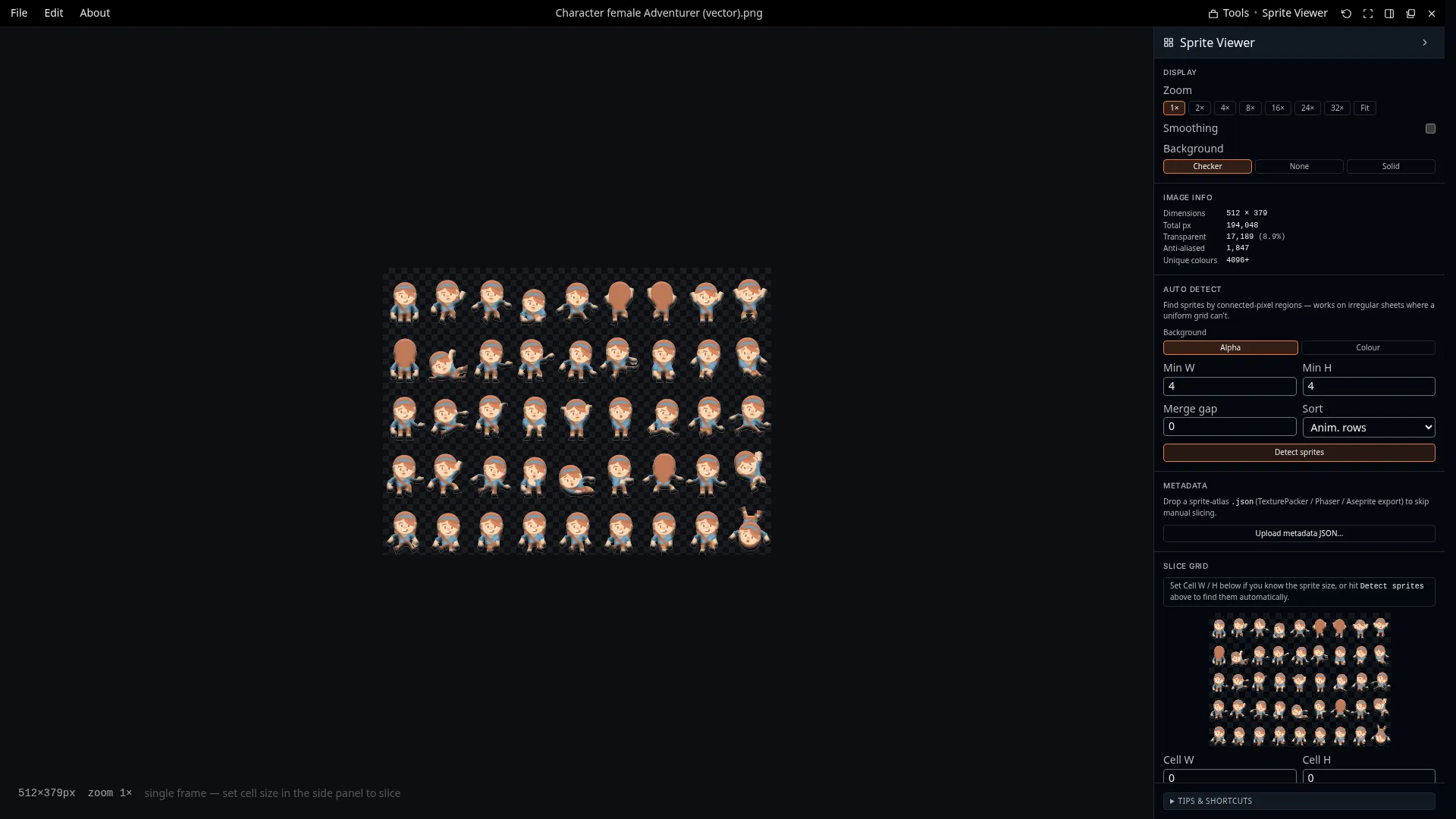
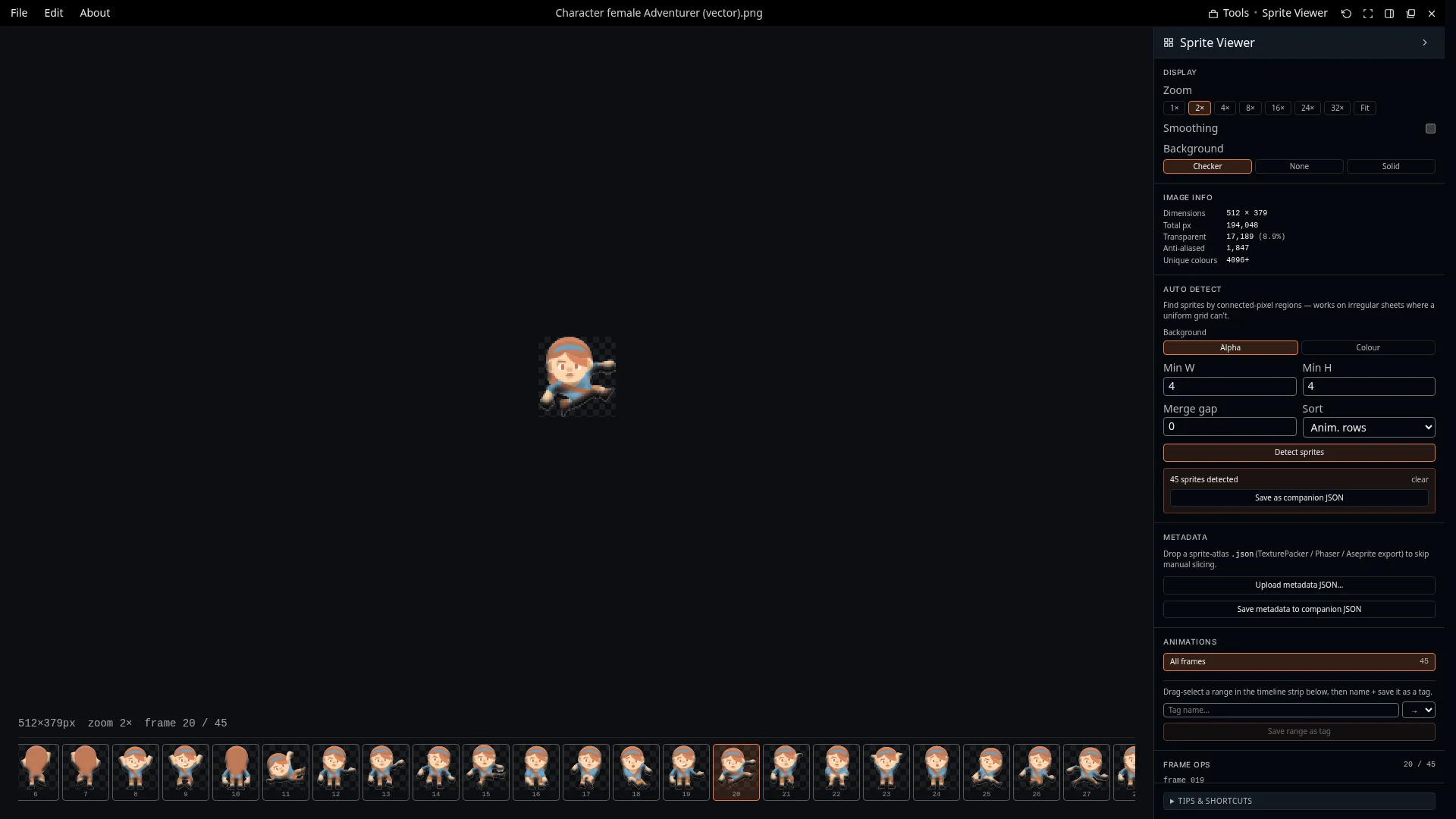
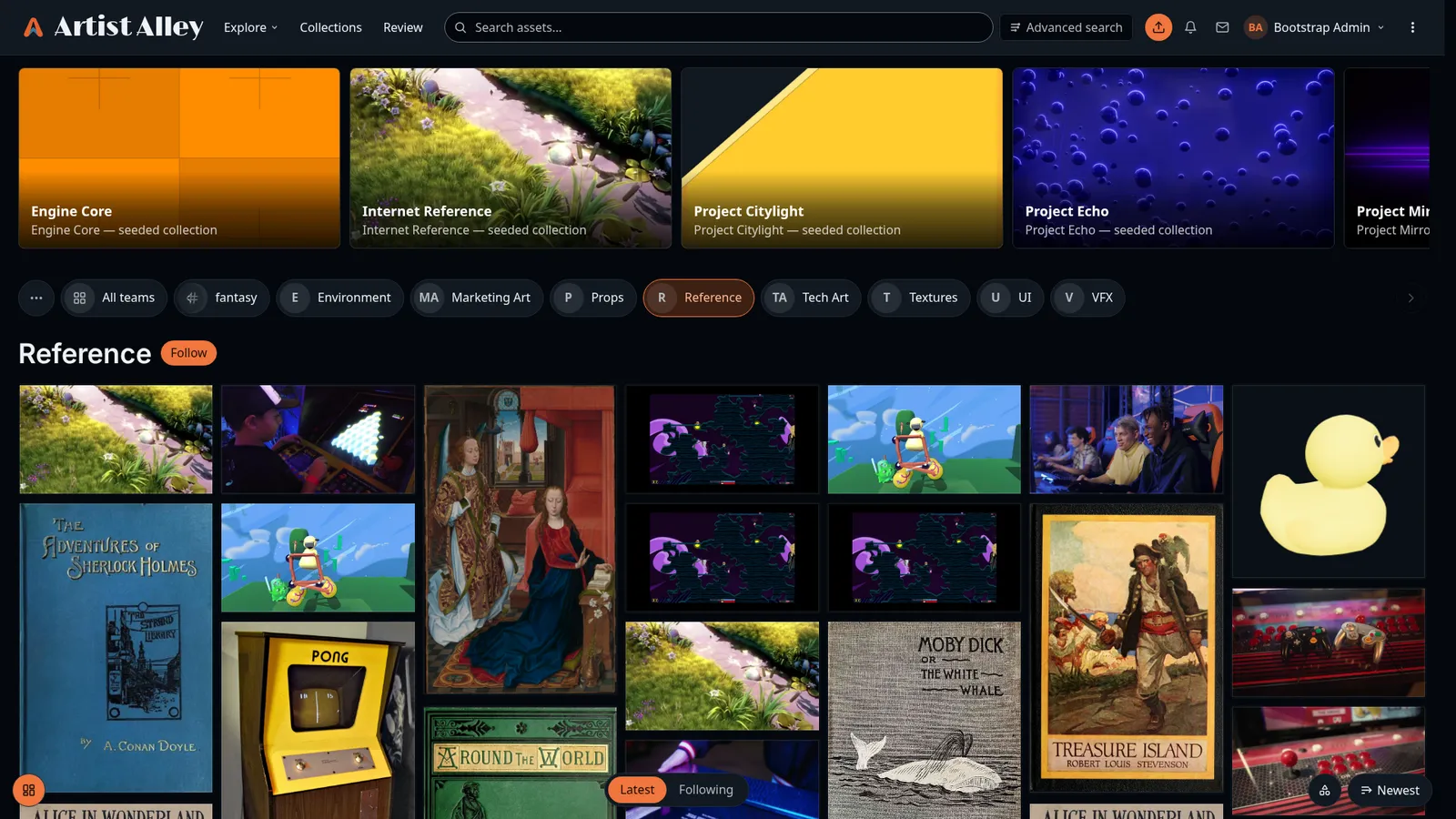
Demo content: CC0/CC-BY/CC-BY-SA sources — see the project's demo-dataset attribution (ADR 0058).
From first upload to final archive, in one place.
Images, video, audio, 3D, documents, and more — previewed in the browser, built for review.
Full-text search across every asset, post, tag, and field — plus search by image.
Connect two studios and share assets, comments, and approvals directly. No service in the middle.
Serves the IIIF standard, so deep-zoom and archive viewers work with your collections.
Custom fields with full history, and review states with an audit trail.
Image search, transcription, and AI editing you can add on — never forced into the core.
Sharing work between separate studios usually means paying for a hosted service or sending a download link. Artist Alley can do it directly: each studio runs its own instance, pairs with partners, and shares assets, posts, comments, brand kits, and workflow events.
It uses ArchivePub — the ActivityPub data model with extensions for asset sharing, workflow state, and access-controlled brand workspaces. The spec is open, so any tool can implement it; we ship the reference implementation.
Put the binary on a host, point it at Postgres, and go. A commercial license is available if you need one.